WE INVITE ALL TALENTED AUTHORS TO JOIN OUR COMMUNITY🤗 ADD YOUR PUBLICATION AND TAKE THE FIRST STEP TO A WORLDWIDE AUDIENCE!
homeblockchainentrepreneurshipdesigngameshealthit/techbusiness venture
search

Table of Content

Healing in public: why we overshare our trauma onlineThe age of oversharing: when private becomes publicWhy oversharing feels so good (at first)Instant validationLow emotional riskA hope for connectionThe cost of digital vulnerabilityLoss of controlShallow empathyEmotional hangoverRelationship strainRe-traumatizationSigns you might be oversharing onlineHow to build healthy digital boundaries1. Pause before posting2. Save vulnerability for people who have earned it3. Practice digital consent4. Try “slow sharing”
.health16 December 15:13
4 min
<

Healing in Public: Why We Overshare Our Trauma Online

/>
Healing in Public: Why We Overshare Our Trauma Online coverThe Digital Confessional: Examining the Psychology of Digital Emotional Exhibitionism, the Hidden Cost of Digital Vulnerability, and How to Build Healthy Boundaries.
Healing in public: why we overshare our trauma online

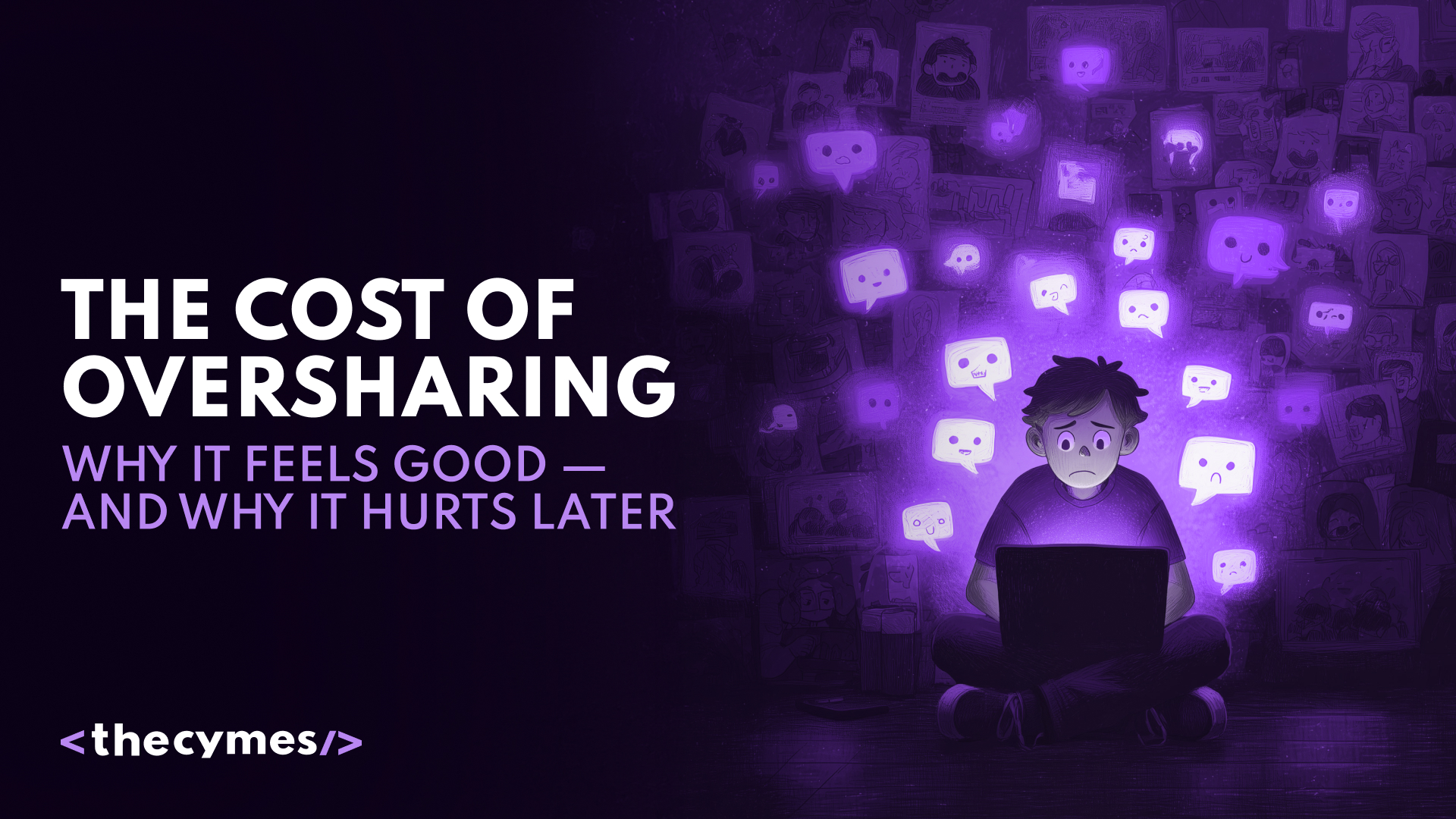
The internet used to be a place for quick updates and harmless fun. Now it often feels like one big confessional stage. Late-night breakup posts, crying TikToks, long stories about childhood pain — sharing our feelings online has become completely normal.

But why do so many people choose to heal in public? And at what point does vulnerability become oversharing?

Let’s take a closer look at why we open up online, what the dangers are, and how our digital boundaries keep changing

The age of oversharing: when private becomes public

A decade ago, posting online meant sharing what you were watching or where you were having brunch. Today, emotional storytelling dominates entire platforms. TikTok videos unpacking therapy breakthroughs go viral overnight. Instagram stories read like personal journal entries.

People cry on livestreams. They talk about panic attacks, breakups, estranged parents, grief, trauma — regularly to complete strangers.

This shift didn’t happen accidentally. Social platforms reward intensity. The “raw” and “real” content gets comments, likes, stitches. The more personal the story, the higher the engagement.

Some call it authenticity, when others — digital emotional exhibitionism.

Oversharing: Psychology Behind Revealing Personal Details Oversharing: Psychology Behind Revealing Personal Details

Why oversharing feels so good (at first)

Oversharing doesn’t come from nowhere. It’s a coping strategy dressed as content.

Instant validation

A flood of “you’re so strong” or “same” comments feels like a warm blanket on a cold night. It soothes loneliness, even if briefly.

Low emotional risk

Talking to a camera is easier than calling a friend and saying: “I’m not okay.” 

Illusion of safety

Sharing with strangers often feels safer than opening up to people we know. Strangers can’t reject us hastily.

A hope for connection

Trauma posts often end with: “If this helps even one person, it’s worth it.” But sometimes, creators also hope their pain will resonate, be understood, maybe even go viral.

For a moment, oversharing fills the gap between needing support and not knowing where else to go.

The cost of digital vulnerability

While sharing online can feel liberating, it has a shadow side.

Loss of control

Once posted, your story doesn’t belong only to you. It can be saved, shared, changed, or turned into a joke by people you don’t know.

Shallow empathy

A hundred heart emojis can still miss the point. Pain deserves depth, not a double tap.

Emotional hangover

Many people wake up the next morning wanting to delete everything, feeling suddenly exposed and foolish.

Relationship strain

Partners or friends may feel hurt when they learn intimate details through a post instead of through a conversation.

Re-traumatization

Repeating a painful story over and over — especially for engagement — can reopen wounds instead of healing them.

Digital vulnerability gives comfort, but not closure.

Signs you might be oversharing online

  • You vent online before talking to people close to you.
  • You regret emotional posts after the initial relief wears off.
  • You feel anxious waiting for likes or replies.
  • People step back or go silent after your posts.
  • Social media comforts you more than real relationships.

If this sounds familiar, you’re not alone and you’re not broken.

How to build healthy digital boundaries

You don’t have to stop sharing. You just need to share with intention.

1. Pause before posting

Ask: “Am I seeking support, clarity, or attention?”
If it’s emotional processing, try journaling or voice notes first.

2. Save vulnerability for people who have earned it

Your real life needs real witnesses — a trusted friend, a partner, a therapist. There is a tiny chance that strangers will truly feel you.

3. Practice digital consent

Give content warnings. Avoid trauma dumping into DMs or group chats without context.

4. Try “slow sharing”

Let emotions settle before turning them into posts. Healing takes time — posting can, too.

The more exhausted we become by public vulnerability, the more people retreat to smaller, safer spaces: private chats, close-friends lists, journaling apps, therapy.

You deserve connection that holds you — not just views that pass through you.

Share
Author Lilia Kolisnyk logoLilia Kolisnyk
16 December 2025
related articles
Istanbul Blockchain Week 2026: Shaping the Future of Web3 cover
.blockchain5 January 15:11
Istanbul Blockchain Week 2026: Shaping the Future of Web3From AI-Finance Convergence to Real-World Assets: Why IBW is the Ultimate Destination for Founders, Investors, and Developers in Europe's Fastest-Growing Tech Market.
Google’s Dinosaur Data: Why a 2012 Study is the Hottest Management Trend of 2025 cover
.entrepreneurship29 December 16:10
Google’s Dinosaur Data: Why a 2012 Study is the Hottest Management Trend of 2025Beyond IQ and KPIs: Why Psychological Safety is the Only Survival Manual for Remote Teams and the Age of Agentic AI.
The Map of You: 5 Frameworks for Smarter Career Decisions cover
.entrepreneurship26 December 10:59
The Map of You: 5 Frameworks for Smarter Career DecisionsStop Running on Autopilot: How Founders, Engineers, and Creatives Can Use Science-Backed Assessments to Decode Their Strengths and Navigate the Future of Work.
be updated on the latest tech newsGet exclusive news updates and overview on tech market
privacy policyterms of use
© The Cymes 2026
explorehomeblockchainentrepreneurshipdesigngameshealthit/techbusiness venture
the cymesabout ussupport the teambecome a partnerapply to be an author
team@thecymes.com
Follow us on social media
privacy policy/terms of use/© The Cymes 2026